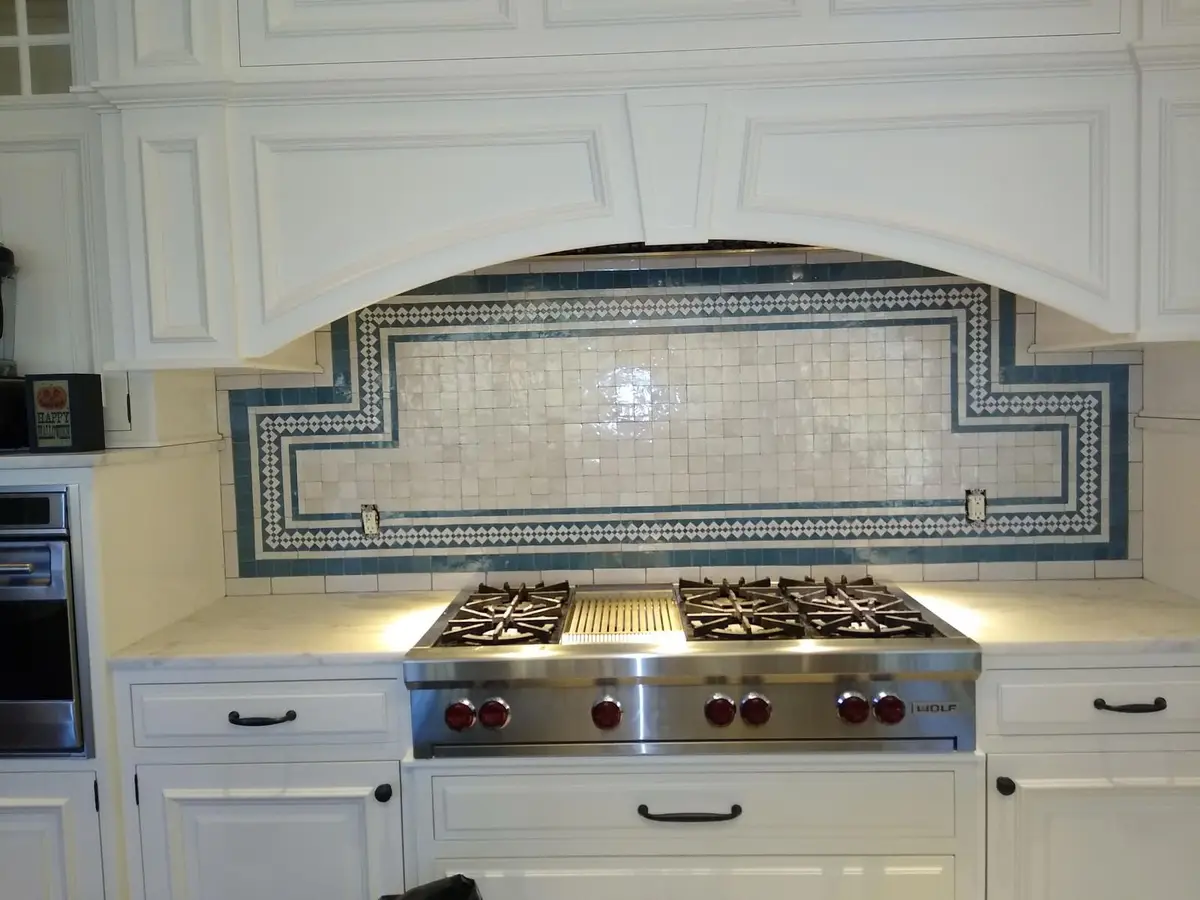
Zellige and Handmade Tile: What to Know Before You Buy
TL;DR
Zellige and handmade tile vary in color, size and flatness by design. Order 15 to 20 percent extra, mix from every box, expect a slightly wider joint and a matching grout, and have it set by someone who's done it. The result is the wall everyone asks about.
Quick Decision Guide:
- →Variation is the product — sort it, don't fight it
- →Order 15–20% over the measurement, all from one lot
- →Tight joints and a grout that matches the tile's middle tone
- →Glossy zellige bounces light; the matte versions absorb it
What Zellige Actually Is
True zellige is hand-cut glazed clay from Morocco: each piece shaped by hand, dipped, fired, and never quite the same as the one beside it. "Handmade-look" ceramic from a factory imitates that variation with a mold and a variable glaze; it's more consistent, easier to set, and a fair middle ground. Both behave differently from machine-made tile in the same three ways, and all three are about buying.
Variation Is the Product, Not a Defect
Color moves from tile to tile. Faces aren't flat. Edges aren't square. Some pieces have pits and chips in the glaze from the kiln. None of that is a flaw — it's what you're paying for — but a wall of it has to be sorted. We open every box, lay the tiles out, mix them so the light and dark pieces spread across the wall instead of clustering by box, and set aside the few that won't work anywhere. Ask an installer how they lay out zellige before you hire them; "straight from the box" is the wrong answer.
Order More Than the Math Says
For machine-made tile you measure the wall and add 10 percent. For zellige and handmade tile, add 15 to 20 percent: the sort takes a few pieces out, the irregular edges waste more at cuts, and the color of a second lot ordered later will not match the first. Buy it all at once. Keep the leftovers.
Joints and Grout
Handmade tile wants a joint tight enough to read as one surface but wide enough to absorb the irregular edges — usually 1/16 to 1/8 of an inch, wider than rectified tile takes. The grout is the decision that makes or breaks it: match the tile's middle tone. The wall already has all the variation it needs; a contrasting grout draws a grid over it and turns character into noise. The grout guide has both manufacturers' charts.
Because the faces aren't flat, grouting takes longer and the haze wipes off less easily than from a flat glaze. That's installer time, not your problem, and it is built into our Ceramic rate, which covers plain and handmade tile alike.
Where It Works, and Where to Think Twice
Behind a range: fine — glazed clay doesn't care about heat. Around a sink: fine, once the caulk line is done. In a small kitchen: the glossy versions are gorgeous and bounce light around; the matte ones absorb it and can make a dim galley dimmer. And on a wall with a lot of outlets and cuts, budget for the waste — every cut through a handmade tile is a gamble on how it breaks.
Edges
Most zellige lines have no bullnose. The exposed edges get a metal profile or a pencil, chosen with the tile — here's how that works.
FAQs
How much extra zellige should I order?
Fifteen to twenty percent over your measured square footage, all from one lot. Ten percent is for machine-made tile.
Is zellige hard to install?
Harder than subway: the sort, the irregular edges at every cut, and the grouting over uneven faces all take time and practice. It's not a first tiling project, and it's the tile where hiring someone who does it often pays for itself.
Does zellige need to be sealed?
The glazed face doesn't. The grout does, like any cement grout — and on zellige it's worth doing carefully, because the grout haze that sealer would lock in is harder to wipe off an uneven face.
Can I use zellige behind the stove?
Yes. It's fired clay under glass; heat doesn't touch it. Wipe grease off the same as any glazed tile.
Price It for the Tile It Is
Choose Ceramic when you get your price — our Ceramic rate already covers handmade tile and the extra time it takes, so there's no surprise on the day.
Serving Fairfield & Westchester County
We install backsplashes throughout Connecticut and New York. See your town's service page for local examples and reviews.
Continue Reading
Explore more expert guides and insights
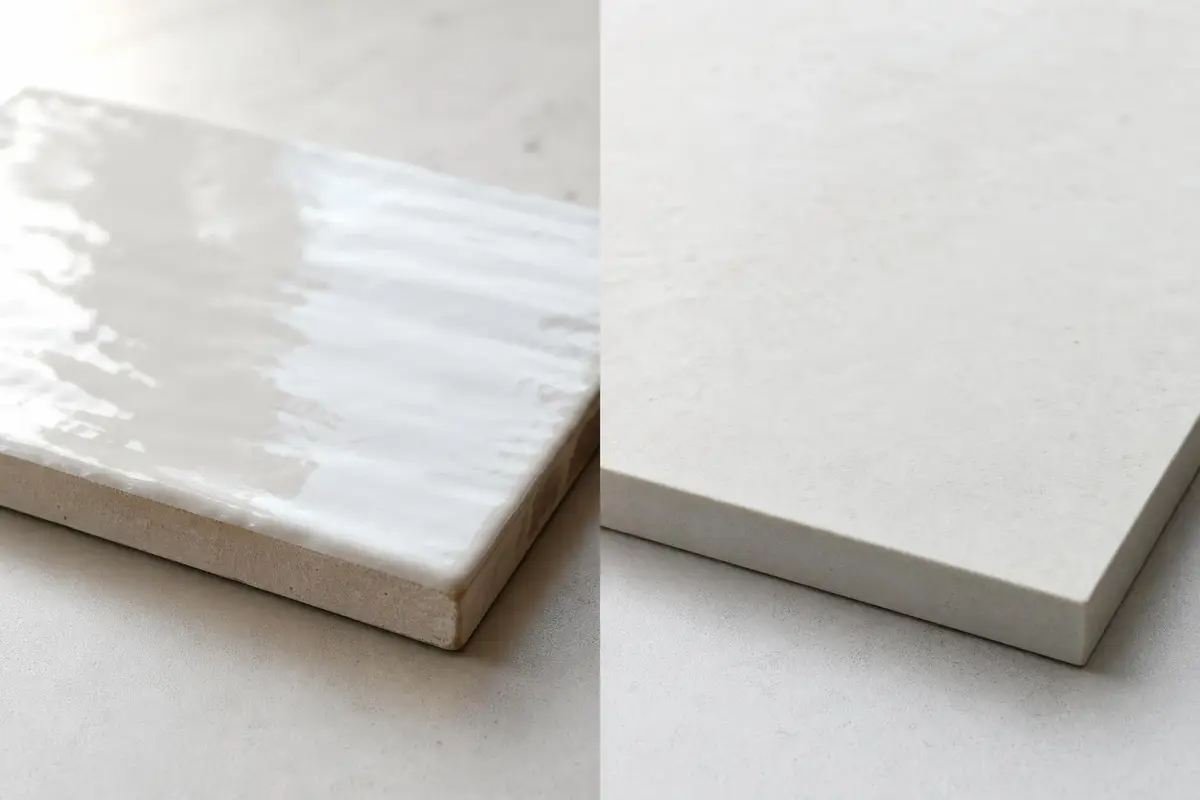
Ceramic vs Porcelain: What Actually Matters for Your Backsplash
After sixteen years of installs, here's what I've learned about ceramic vs porcelain for kitchen backsplashes—and when each makes sense.
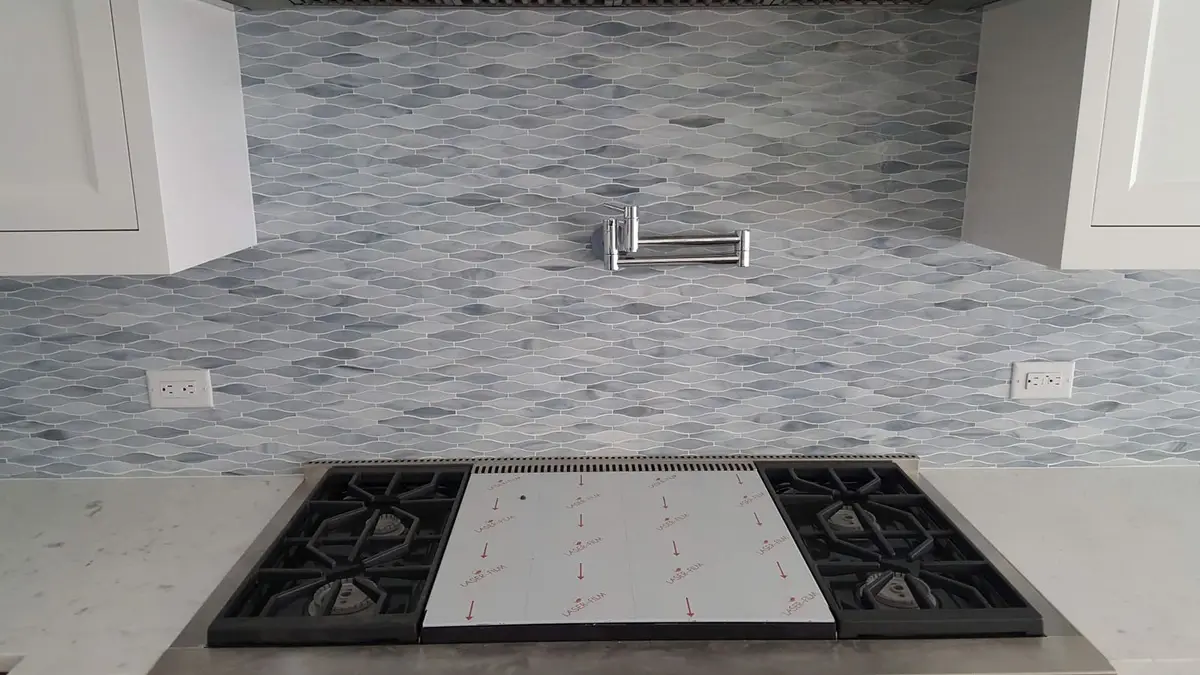
How to Finish the Edges of a Backsplash: Schluter, Bullnose or Pencil Liner
Every exposed tile edge needs a finish: metal profile, bullnose or pencil liner. What each looks like in section, which lines offer which, and how to buy it.